How to Prevent Basement Flooding in Toronto: 7 Steps Every Homeowner Should Take
A practical guide to backwater valves, sump pumps, grading, subsidies, and sensors that protect Toronto basements from flooding.
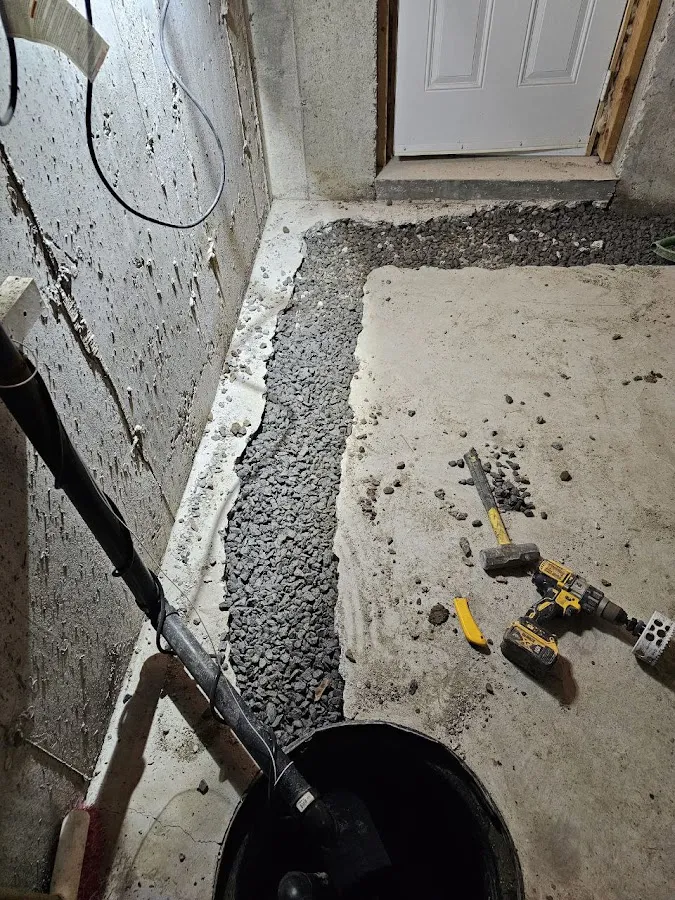
What Causes Basement Flooding in Toronto?
Basement flooding in Toronto stems from 3 converging factors: an aging combined sewer system, intensifying rainfall driven by climate change, and properties built below street grade. Toronto's combined sewer system carries stormwater and sanitary sewage through a single pipe. Heavy rain overwhelms capacity and forces sewage back into basements through floor drains.
Sewer backup is the dominant local cause because the combined sewer infrastructure funnels storm surges directly into residential laterals.
Water enters basements through 3 primary pathways: sewer backup through floor drains, overland flooding through window wells, and groundwater seepage through foundation cracks under hydrostatic pressure. Flood-prone areas like South Etobicoke and low-lying communities including Mississauga face elevated risk. The July 2024 Toronto flash floods caused over $940 million in insured damage, according to a 2024 report by the Insurance Bureau of Canada. Basement flooding cleanup in Toronto becomes an emergency within hours.
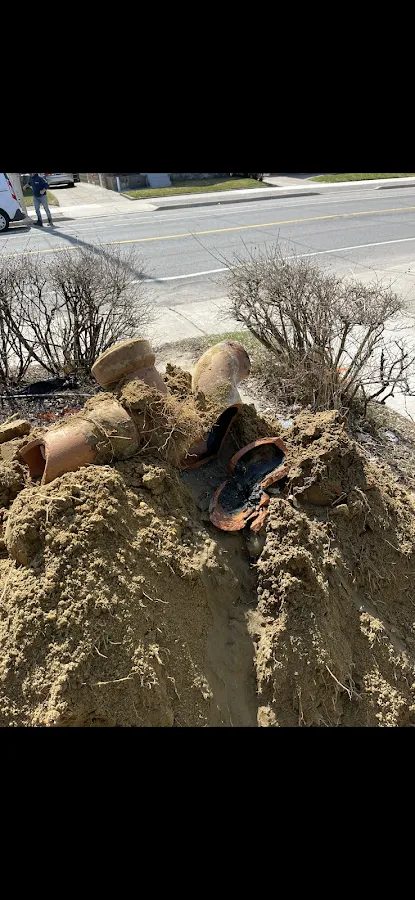
What Are the 7 Steps to Prevent Basement Flooding?
The 7 steps to stop basement from flooding in Toronto address every water entry point — from sewer lines to foundation walls to surface drainage:
Install a backwater valve
A one-way gate on the main sewer lateral that blocks reverse flow from the municipal line during heavy rain.
Maintain a sump pump with battery backup
Removes groundwater that collects beneath the basement slab before it rises through cracks and joints.
Correct yard grading
Ensure ground drops 6 inches over the first 6 feet from the house to direct water away from the foundation.
Clean gutters and extend downspouts
Prevent thousands of litres of roof runoff from pooling against the foundation during storms.
Seal foundation cracks
Eliminate direct pathways that allow groundwater to enter the basement under hydrostatic pressure.
Apply for the City of Toronto subsidy
The Basement Flooding Protection Subsidy Program provides up to $3,400 per property for eligible measures.
Install smart water leak sensors
Detect moisture within seconds and send alerts to a homeowner's phone, turning a potential flood into a manageable drip.
Step 1: Is a Backwater Valve Worth Installing?
Yes, a backwater valve is the single most effective defence against sewer backup because the valve installs on the main sewer lateral and blocks reverse flow from the municipal line. The one-way gate closes automatically when sewage reverses direction during heavy rain.
Backwater valve installation in Toronto costs $1,000-$3,000. A testable backwater valve allows inspection without excavation. The City of Toronto Basement Flooding Protection Subsidy Program covers a portion of this cost (full details in Step 6).
Step 2: Does a Sump Pump Stop Basement Flooding?
Yes, a sump pump removes groundwater that collects beneath the basement slab before the water rises high enough to seep through cracks and joints. A sump pit collects water from weeping tiles surrounding the foundation, and the pump discharges water away from the house.
A battery backup sump pump is critical for Toronto homes. Toronto storms frequently knock out power. A pump without power during a storm provides zero protection at the exact moment flooding risk peaks.
Test the sump pump quarterly by pouring water into the pit. Clean the intake screen, check the discharge line, and replace the backup battery annually.
Step 3: Does Yard Grading Affect Basement Flooding?
Yes, improper yard grading is one of the most overlooked causes of basement water intrusion because flat or inward-sloping ground directs surface water toward the foundation. Correct grading drops 6 inches over the first 6 feet from the house.
A French drain intercepts subsurface water before the water reaches the foundation wall. Permeable surfaces — including permeable paving and rain gardens — reduce runoff volume at the source. A lot grading certificate is required for new construction or significant regrading under City of Toronto building permit requirements. Check grading after spring thaw when soil settles.
Step 4: Can Gutters and Downspouts Cause Basement Flooding?
Yes, clogged gutters and improperly routed downspouts dump thousands of litres of roof runoff against the foundation during a single storm. A 1,000-square-foot roof sheds roughly 2,500 litres during 25 mm of rainfall.
Toronto mandates downspout disconnection from the sewer system. Downspouts discharge at least 2 metres from the foundation. Clean eavestroughs twice per year, check for leaking seams, and install gutter guards under heavy tree canopy. Extend downspouts with splash pads or underground extensions.
Step 5: Does Sealing Foundation Cracks Prevent Flooding?
Yes, sealing foundation cracks eliminates the direct pathways that allow groundwater to enter the basement under pressure. A full foundation inspection identifies cracks before cracks become water entry points — inspect after each spring thaw when freeze-thaw cycles create new fractures.
Interior waterproofing (hydraulic cement, epoxy injection) addresses active cracks from inside. Exterior waterproofing applies a membrane to the foundation wall for a complete barrier. Window well covers prevent rainwater from pooling against basement windows — a secondary entry point homeowners frequently miss.
Structural cracks wider than 3 mm or running horizontally require professional assessment. Exterior waterproofing costs $100-$300 per linear foot; interior crack sealing costs $300-$600 per crack.
Basement waterproofing in Toronto ranges from minor interior crack repairs to full exterior membrane installations.
Step 6: Does Toronto Offer Flood Prevention Subsidies?
Yes, the City of Toronto Basement Flooding Protection Subsidy Program provides up to $3,400 per property to offset the cost of installing backwater valves, sump pumps, and pipe severance work. The program covers single-family, duplex, triplex, and fourplex residential properties.
The Enhanced Basement Protection Subsidy provides up to $6,650 for properties in eligible priority flood areas. The program has received approximately 59,000 applications and issued nearly $86 million in subsidies, with roughly 14% of Toronto residential properties participating, according to 2025 data published by the City of Toronto. Apply online through toronto.ca. Read the Toronto Basement Flooding Protection Subsidy Program complete guide for full eligibility details.
Step 7: Do Smart Water Sensors Prevent Flood Damage?
Yes, smart water leak sensors detect moisture within seconds and send alerts to a homeowner's phone, turning a potential flood into a manageable drip. Place sensors beside the sump pit, near the floor drain, at the hot water tank base, and behind the washing machine.
Advanced systems pair with smart home platforms to trigger automatic shutoff valves. Individual sensors cost $30-$80. Whole-home systems with automatic shutoff run $500-$1,500.
When Is Basement Flooding Most Likely in Toronto?
Toronto experiences 3 peak flooding periods each year: spring thaw (March-April), summer storm season (June-August), and fall freeze-thaw cycles (October-November).
Spring thaw sends melting snow across frozen ground that cannot absorb runoff. Summer storms deliver intense flash rainfall — 25+ mm per hour — that overwhelms the combined sewer system. Fall freeze-thaw cycles crack foundations and shift grading.
Climate change intensifies all 3 periods. Warmer winters produce more freeze-thaw cycles, and summer storms deliver heavier rainfall totals.
Areas like Oakville, South Etobicoke, and Mississauga face recurring seasonal flooding. Properties in Toronto and Region Conservation Authority (TRCA) regulated flood zones face additional restrictions — homeowners in those areas benefit from consulting the TRCA before making drainage or grading changes. Complete inspections in early March and again in November before peak risk windows.
How Much Does Basement Flood Prevention Cost in Toronto?
Basement flood prevention in Toronto ranges from $30 for a single water sensor to $25,000+ for full exterior waterproofing.
| Prevention Method | Typical Cost Range | Subsidy Eligible? | DIY or Pro? |
|---|---|---|---|
| Backwater valve | $1,000-$3,000 | Yes (up to $1,250) | Professional |
| Sump pump (with battery backup) | $800-$2,500 | Yes (up to $1,750) | Professional |
| Yard regrading | $1,000-$5,000 | No | Professional |
| Gutter cleaning + downspout extension | $150-$500 | No | DIY possible |
| Interior crack sealing | $300-$600/crack | No | DIY possible |
| Exterior waterproofing | $10,000-$25,000+ | No | Professional |
| French drain installation | $3,000-$8,000 | No | Professional |
| Smart water sensors | $30-$80/sensor | No | DIY |
Start with subsidy-eligible measures — backwater valve plus sump pump — then layer additional protection based on the property's specific risk factors.
Can Homeowners Prevent Flooding Without Major Renovations?
Yes, 3 of the 7 prevention steps — gutter maintenance, downspout extension, and smart sensor installation — cost under $500 combined and require no professional contractor. DIY-friendly measures include cleaning gutters, extending downspouts, installing water sensors, and applying crack sealant on hairline fractures. Call a professional for backwater valve installation, sump pump replacement, exterior waterproofing, and structural cracks wider than 3 mm.
What Happens When Prevention Fails?
A flooded basement creates cascading damage within the first 24-48 hours: waterlogged drywall, warped flooring, electrical hazards, and mould growth that begins within 24-72 hours of sustained moisture. Hidden mould colonizes behind walls within 1-2 weeks.
2024 was the costliest year on record for insured catastrophe losses in Canada, with over $8 billion in claims — a 443% increase above the 20-year average, according to 2024 data from the Insurance Bureau of Canada. Standard homeowner policies in Ontario exclude sewer backup and overland water damage unless riders are purchased separately. Learn how to clean up after a basement flood for step-by-step guidance. Professional basement flooding cleanup services handle mould remediation and structural drying beyond DIY scope.
Does Insurance Cover Basement Flooding in Toronto?
No, standard homeowner insurance in Ontario does not automatically cover sewer backup or overland water damage — both require separate endorsements added to the base policy. Sewer backup coverage adds $100-$300 per year. Document damage by photographing all affected areas, keep receipts for cleanup expenses, and file claims within the insurer's deadline. Review coverage before each spring thaw to confirm both endorsements remain active.
How Do Toronto Homeowners Prevent Basement Flooding Long-Term?
Preventing basement flooding in Toronto requires a layered approach across all 7 steps — no single device eliminates flood risk on its own. Every homeowner benefits from acting across all layers: subsidy-eligible measures (backwater valve and sump pump), surface water control (grading and gutters), envelope sealing (foundation waterproofing), financial programs (City of Toronto subsidy), and monitoring (smart sensors).
Stopping a basement from flooding demands seasonal commitment. Inspect all 7 systems in March before spring thaw and again in November before winter freeze. Toronto homeowners who complete these 7 steps give their basements the strongest possible defence against the city's next major storm.
Ready to Get Started?
Get professional services in today. Call now for immediate assistance or get a free quote.
Professional Service
Trusted experts in your area
Quick Response
Fast and reliable service
Fully Licensed
Certified and insured professionals