Water damage? We're here 24/7. Need service? Call now!

Call Now

Signs of Hidden Water Damage in Your Home (And What to Do About It)

Learn how to identify concealed moisture behind walls, under floors, and above ceilings before it causes structural damage.
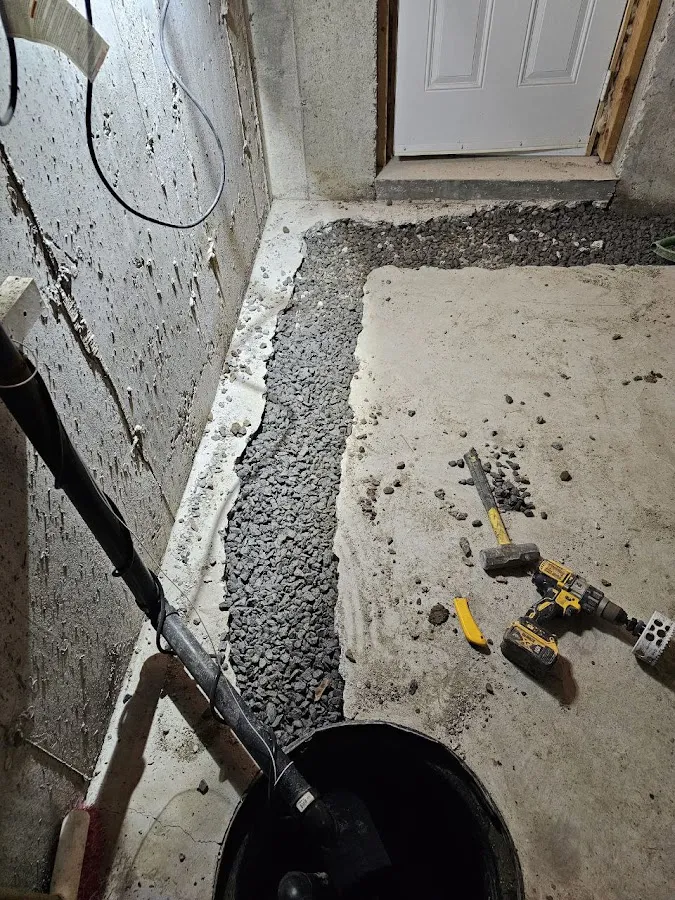
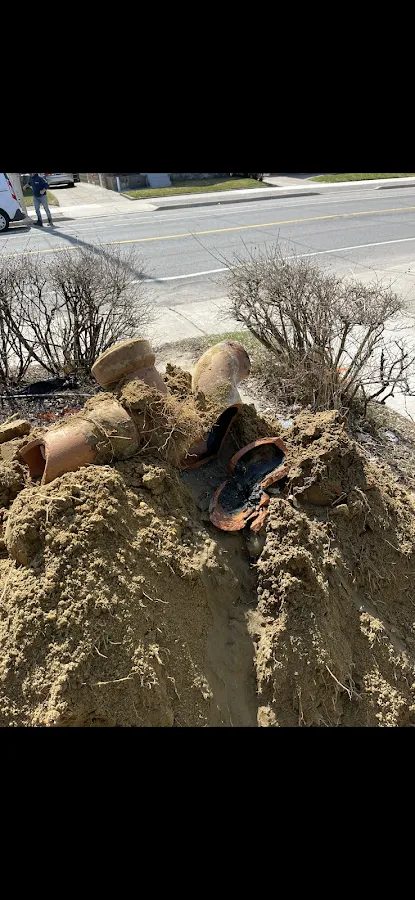
Clean basement area with newly installed black drain pipe and red fire extinguisher after restoration work
Same Day Service 5 Star Rated Fully Insured Local & Reliable

What Is Hidden Water Damage?

Hidden water damage is moisture intrusion that develops behind walls, under floors, and above ceilings without producing immediately visible flooding or pooling. Concealed leaks erode structural materials for months before signs of hidden water damage appear in house interiors.

Approximately 1 in 67 insured homeowners files a water damage claim each year. The average payout reaches $15,400, according to 2024 data from the Insurance Information Institute. Early identification of hidden water damage signs prevents mold colonization and costly structural repairs.

Blue drainage pipe being installed in basement foundation with staircase visible above

What Are the Visual Signs of Hidden Water Damage?

The 4 primary visual indicators of hidden water damage include stains and discoloration, peeling or bubbling surfaces, warped flooring, and sagging ceilings.

Stains and discoloration

Yellow or brown rings on ceilings and walls indicate moisture migrating through drywall.

Peeling or bubbling surfaces

Paint lifts away from drywall when moisture saturates the substrate, and wallpaper separates at seams.

Warped flooring

Hardwood planks cup or buckle when subflooring absorbs moisture from a hidden pipe leak.

Sagging ceilings

Drywall panels bow downward when water pools above the ceiling cavity.

These surface changes mark the beginning of structural deterioration. The water damage restoration timeline depends on how quickly homeowners identify these hidden water damage signs.

Does Peeling Paint Always Mean Water Damage?

No, peeling paint results from moisture intrusion, poor adhesion, or age-related deterioration. Water-caused peeling appears localized and feels damp to the touch. Age-related peeling appears dry and uniform across large wall sections.

Is a Stain on the Ceiling Always a Sign of Water Damage?

No, ceiling stains originate from water leaks, condensation, smoke residue, or aging roofing materials. Brown or yellow rings with soft surrounding drywall confirm active water intrusion. Press the stained area firmly — drywall that gives under pressure or feels damp indicates a leak above the ceiling.

Is Mold a Sign of Hidden Water Damage?

Yes, visible mold or mildew growth on walls, ceilings, or baseboards confirms an active or recent moisture source. Mold requires sustained dampness to colonize a surface. Mold appears as black, green, or white patches along wall-floor junctions and ceiling corners.

Surface mold responds to cleaning, but mold behind walls requires professional remediation. Indoor mold exposure links to upper respiratory tract symptoms, cough, and wheeze, according to the Centers for Disease Control and Prevention.

Where Does Hidden Water Damage Occur Most Often?

Hidden water damage concentrates in 5 areas where plumbing, roofing, and foundation systems intersect with enclosed building cavities:

Behind bathroom walls

Shower and tub supply lines leak inside wall cavities without visible dripping.

Beneath kitchen sinks

Supply line connections and drain fittings develop slow leaks that saturate subflooring.

Inside basement walls

Hydrostatic pressure forces groundwater through foundation cracks, worsened by Toronto's freeze-thaw cycles.

Around window frames

Deteriorated caulking and flashing allow rainwater to enter wall cavities.

Above ceiling drywall

Roof leaks and HVAC duct condensation pool above ceiling panels undetected.

Can Water Damage Hide Behind Walls for Years?

Yes, water damage behind walls persists undetected for months or years because drywall absorbs moisture gradually and conceals pipe leaks and exterior seepage. Slow plumbing leaks produce structural damage for 1 to 3 years before visible staining or musty odors emerge.

How Do You Detect Water Damage You Cannot See?

The 4 non-visual detection methods for hidden water damage are musty odors, dripping sounds, unexplained humidity increases, and water bill spikes.

Musty odors

A persistent earthy smell in a specific room indicates mold growing behind surfaces.

Dripping sounds

Running or dripping water audible when all fixtures are off points to a concealed pipe leak.

Unexplained humidity increases

Persistent indoor humidity above 60% or condensation on interior walls signals a hidden moisture source.

Water bill spikes

An unexplained increase of 15% or more over a single billing cycle indicates a hidden pipe leak.

Combining 2 or more non-visual indicators in the same area strengthens the case for hidden water intrusion.

Does a Musty Smell Always Indicate Water Damage?

No, musty odors originate from mold growth caused by water intrusion, poor ventilation, or accumulated dust in HVAC systems. A persistent earthy smell localized to one wall or room points to concealed moisture. Water-damage-related odor concentrates near a specific wall or floor section and does not disperse with ventilation.

Does a High Water Bill Indicate Hidden Damage?

Yes, an unexplained water bill increase of 15% or more over a single billing cycle points to a hidden pipe leak. Compare month-over-month statements to isolate the anomaly.

What Tools Help Find Hidden Water Damage?

A moisture meter, thermal imaging camera, and visual borescope are the 3 primary tools for locating water damage inside walls, under floors, and above ceilings.

Moisture meter

Pin-type meters ($25 to $50) read moisture content in drywall and wood, with readings above 17% confirming active intrusion.

Thermal imaging camera

Infrared cameras detect temperature differentials caused by evaporative cooling behind surfaces.

Visual borescope

A flexible camera inserted through a small drilled hole provides direct visual access to wall cavities.

White powdery residue (efflorescence) on basement walls offers an additional detection clue — mineral deposits left when water migrates through concrete. Mold begins growing on damp materials within 24 to 48 hours of water exposure, according to the U.S. Environmental Protection Agency. Fast detection prevents colonization.

What Is NOT a Sign of Water Damage?

Hairline settling cracks, seasonal condensation on windows, and surface-level paint aging are 3 common conditions homeowners mistake for hidden water damage.

Hairline settling cracks

Foundation settling produces thin, stable cracks, while water-damaged cracks widen over time and feel damp.

Seasonal window condensation

Condensation on window glass during Toronto winters clears with ventilation, unlike humidity from a hidden leak.

Paint aging and chalking

Age-related deterioration appears dry and uniform, while water-driven peeling appears localized and damp.

What Are the Next Steps After Finding Hidden Water Damage?

The 4 immediate steps after identifying signs of hidden water damage are documenting, stopping the source, removing moisture, and scheduling a professional inspection.

1

Document the damage

Photograph stains, mold growth, and warped surfaces for insurance claims.

2

Stop the water source

Shut off the supply valve feeding the affected area, if identifiable.

3

Remove standing moisture

Open windows, run fans, and extract pooled water with a wet vacuum.

4

Schedule a professional inspection

Licensed restoration professionals use thermal imaging and moisture mapping to locate damage behind walls.

Acting on the signs of hidden water damage in your home within 48 hours limits structural deterioration, prevents mold colonization, and reduces total restoration costs.

Ready to Get Started?

Get professional services in today. Call now for immediate assistance or get a free quote.

Professional Service

Trusted experts in your area

Quick Response

Fast and reliable service

Fully Licensed

Certified and insured professionals

Water damage? We're here 24/7.

Call Now