What To Do When Sewage Backs Up In Your Home
Emergency response guide for sewage backups covering safety, cleanup, prevention, costs, and insurance coverage.
What Is a Sewage Backup?
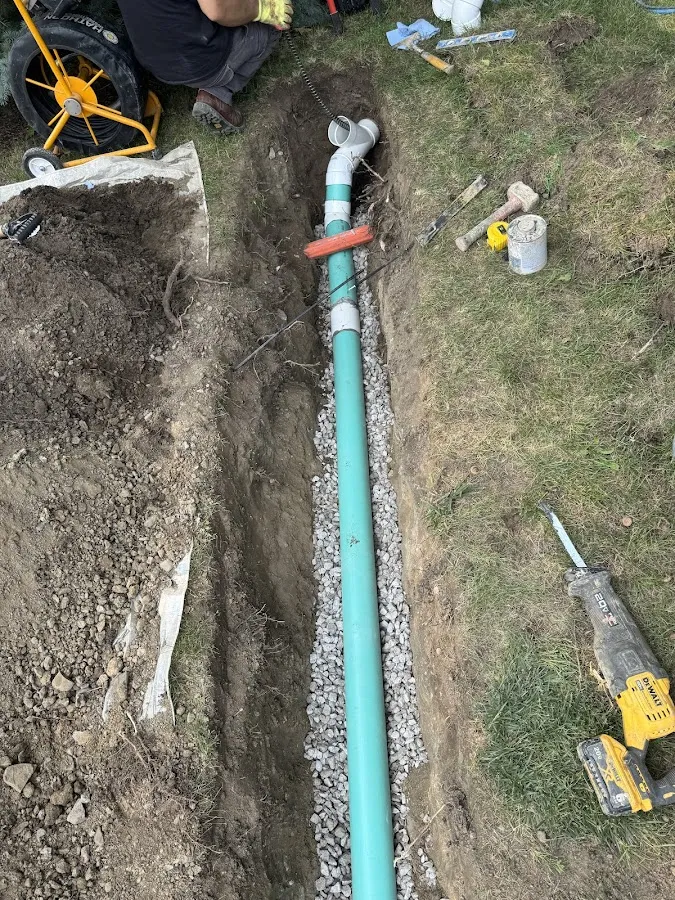
A sewage backup is contaminated wastewater flowing from drainage fixtures into living spaces. Sewage backups involve reverse flow of wastewater through basement drains, bathtubs, showers, toilets, or floor drains. Contaminated water contains harmful bacteria and pathogens from sewer systems.
Grease solidifies inside pipes and traps additional debris including hair, wipes, and solid materials.
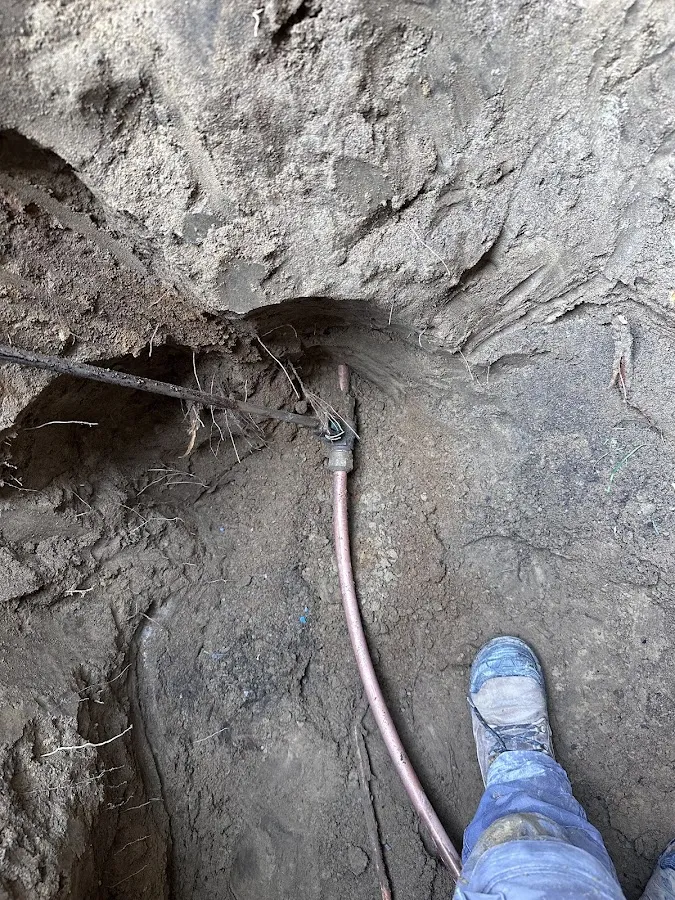
Tree roots seek moisture and enter small cracks in sewer pipes, expanding inside to create complete blockages.
Deteriorating pipes from age or ground settlement develop fractures that restrict wastewater flow.
Storm events saturate sanitary sewer systems beyond capacity and surge backward through sewer lines into basements.
Category 3 contamination from sewage backup demands hazmat-certified handling that household cleaning products cannot address, and professional sewage backup cleanup deploys industrial antimicrobial treatment systems and sealed disposal protocols that eliminate pathogen risks from affected materials.
Is a Sewage Backup an Emergency?
Yes, sewage backups are emergency situations requiring immediate action to protect health and prevent property damage. Sewage contains harmful bacteria including E. coli, hepatitis viruses, and gastroenteritis-causing pathogens. Workers who handle human waste or sewage face increased risk of becoming ill from waterborne diseases including diarrhea, with symptoms requiring medical attention including vomiting and stomach cramps... according to the Centers for Disease Control and Prevention.
Toronto's combined sewer system creates elevated sewage backup risk during heavy rainfall events when municipal infrastructure reaches capacity, and homeowners needing sewage backup cleanup in Toronto benefit from crews familiar with the city's drainage patterns and municipal reporting protocols.
What Are the Health Risks of Sewage Exposure?
Sewage exposure poses significant health risks including waterborne diseases, bacterial infections, and gastrointestinal illness. Primary health risks include E. coli infection, hepatitis A, gastroenteritis, and skin infections from direct contact. Symptoms include diarrhea, vomiting, stomach cramps, fever, and skin rashes. Children, elderly individuals, and immunocompromised people face elevated risks.
Sewage represents Category 3 water classification. Category 3 water from sewage backups represents highly contaminated water that contains pathogens and poses the highest health risks, typically requiring removal of affected porous materials like carpet and drywall... according to the 2024 IICRC S500 Standard and Reference Guide for Professional Water Damage Restoration from the Institute of Inspection Cleaning and Restoration Certification.
Installing a backwater valve provides the most effective long-term defense against municipal sewer surges, and Toronto homeowners can offset installation costs through Toronto flood protection subsidies and rebates that cover up to $3,400 for eligible flood protection devices.
What Should You Do Immediately When Sewage Backs Up?
Homeowners experiencing sewage backups must immediately stop using all plumbing fixtures and avoid contact with contaminated water. The 5 critical emergency actions include:
Stop using plumbing
Turn off all water fixtures, avoid flushing toilets, and cease running sinks or showers.
Avoid contaminated water contact
Stay away from standing water containing disease-causing bacteria requiring protective equipment for any contact.
Turn off electricity
Shut off power at the breaker panel when water reaches outlets or electrical equipment.
Evacuate contaminated areas
Remove household members from affected rooms, especially children and vulnerable individuals.
Call professional help
Contact licensed remediation professionals for extensive backups exceeding 10 gallons.
Should You Try to Clean Sewage Backup Yourself?
No, homeowners should not attempt DIY cleanup for extensive sewage backups exceeding minor toilet overflows. DIY cleanup applies only to spills under 10 gallons affecting localized areas without porous material saturation. Professional remediation becomes necessary for basement flooding, Category 3 water contamination, or carpet and drywall saturation.
Once sewage contamination has been professionally remediated, the broader structural drying and material salvage process follows standard flood recovery protocols, and a step-by-step basement flood cleanup guide covers the remaining cleanup phases from water extraction through dehumidification and rebuilding.
Who Should You Call for Help?
Help for sewage backups depends on blockage location relative to the property line. Municipalities maintain responsibility for sanitary sewer systems from the street to the property line. Homeowners maintain responsibility for sewer service lines from the property line to the house.
Professional remediation services become necessary when extensive contamination affects multiple rooms or basement flooding occurs. Health risks from Category 3 water require professional equipment and safety protocols.
How Do You Report a Potential Municipal Sewer Problem?
Homeowners report suspected municipal sewer problems by calling 311 to trigger city sanitary sewer investigation. The 311 reporting system dispatches city crews to inspect sanitary sewers on public streets. Investigation timelines vary from 2 to 48 hours depending on emergency severity. Multiple neighbors experiencing simultaneous backups indicates main sewer line issues requiring municipal intervention.
How Do You Safely Clean Up Minor Sewage Spills?
Safe cleanup of minor sewage spills requires proper protective equipment, contaminated material removal, and EPA-approved disinfection. The procedure for small-scale cleanup under 10 gallons includes:
Required protective equipment includes elbow-length rubber gloves, waterproof rubber boots, protective eyewear, and N95 respirator masks. Cleanup equipment includes wet/dry vacuums, mops with disposable heads, buckets, and heavy-duty plastic bags.
Remove all contaminated porous materials immediately. Towels, rugs, and absorbent items require disposal in sealed plastic bags.
The cleaning sequence proceeds: remove solid waste, extract standing water using wet/dry vacuum, apply disinfectant solution, allow 10-minute contact time, rinse surfaces, and ensure complete drying within 24-48 hours. Disinfection solutions include 1 cup bleach per gallon water or EPA-approved antimicrobial cleaners.
How Should You Disinfect Surfaces After Sewage Contact?
Proper disinfection after sewage contact involves applying bleach solutions to non-porous surfaces and complete drying to prevent microbial growth. Bleach solution preparation requires 1 cup household bleach per gallon of water. The disinfectant requires 10-minute contact time on surfaces for pathogen elimination.
Non-porous surfaces including tile floors, concrete, and sealed countertops accept disinfection treatment. Porous materials including carpet, drywall, and upholstered furniture require complete removal and disposal. Complete drying within 24-48 hours prevents mold growth and secondary microbial contamination.
When Should You Call a Professional for Sewage Backup?
Professional sewage remediation becomes necessary when contamination affects porous materials, covers large areas, or involves basement flooding. Volume thresholds exceeding 10 gallons require industrial water extraction equipment. Material concerns include carpet saturation, drywall absorption, and insulation contamination prohibiting DIY cleanup.
Professional capabilities include industrial water extractors removing hundreds of gallons per hour, antimicrobial application equipment for complete sanitization, structural drying systems with commercial dehumidifiers, and proper contaminated material disposal following regulatory requirements.
How Much Does Sewage Backup Cleanup Cost?
Sewage backup cleanup costs range from $2,000 to $10,000 depending on contamination extent, affected area size, and material replacement requirements. Cost ranges vary by scenario severity.
| Scenario | Cost Range | Primary Factors |
|---|---|---|
| Minor toilet overflow | $500-$2,000 | Surface cleaning, minimal material removal, under 100 sq ft |
| Basement sewage backup | $3,000-$7,000 | Water extraction, drywall removal, 200-500 sq ft affected |
| Whole-house flooding | $7,000-$15,000+ | Complete material replacement, structural drying, over 1,000 sq ft |
About 1 in 60 insured homes have claims due to water damage or freezing, with water and freezing damage representing the second most common type of homeowners insurance claim in the United States, averaging $13,954 per claim from 2018 to 2022... according to the Insurance Information Institute.
Does Insurance Cover Sewage Backup Cleanup?
No, standard homeowners insurance typically does not cover sewage backup unless specific sewer backup endorsement coverage was purchased. Sewer backup endorsements add separate coverage to standard policies for $50-$250 annual premiums. Coverage limits range from $5,000 to $25,000 depending on endorsement selection.
Documentation requirements include photographs of damage before cleanup begins, receipts for emergency mitigation expenses, and professional assessment reports. Filing timelines require notification within 24-48 hours of discovering sewage backup.
How Can You Prevent Sewage Backup in the Future?
Preventing sewage backups requires proper disposal practices, regular maintenance, and protective plumbing devices. Proper disposal practices prohibit flushing grease, wipes, feminine hygiene products, or paper towels down drains.
Regular maintenance includes annual sewer line inspections using camera equipment detecting early blockage signs. Professional drain cleaning every 18-24 months prevents gradual debris accumulation.
Backwater valve installation provides primary prevention against municipal sewer surges during heavy rain. Backwater valves block reverse flow from street sewermains while permitting normal drainage from the home.
What Is a Backwater Valve and How Does It Work?
A backwater valve is a one-way gate installed in the sewer line that prevents sewage from flowing backward into the home. Installation location positions the valve in the main sewer line before the pipe exits the property boundary. The device functions by allowing wastewater to flow outward toward the street while blocking inflow from municipal sewer surges.
Effectiveness reaches 95-99% prevention of municipal sewer backup during heavy rain overwhelming city systems. Installation requires professional licensed plumbers and building permits. Installation costs range from $1,500 to $3,000 including equipment, labor, excavation, and permit fees.
Should You Plant Trees Near Sewer Lines?
No, trees should not be planted within 10 feet of sewer lines to prevent root infiltration and blockages. Root infiltration mechanisms involve tree roots seeking moisture sources and entering microscopic cracks in sewer pipes. Roots expand inside pipes and create complete blockages requiring excavation and pipe replacement.
High-risk tree species include willows with root systems spreading 35-50 feet, maples extending roots 25-30 feet, and poplars developing aggressive water-seeking roots. Safe distance guidelines recommend 10 feet minimum for small ornamental trees and 20 feet minimum for large shade trees.
What Should You Not Do During a Sewage Backup?
Homeowners must avoid 8 dangerous actions that worsen contamination or increase health risks during sewage backups:
Ongoing water use forces additional sewage volume into living spaces and increases contamination extent.
Direct skin contact exposes individuals to E. coli, hepatitis viruses, and gastroenteritis-causing bacteria.
Standard fans aerosolize pathogens and spread airborne bacteria throughout the home.
Carpet, upholstered furniture, and mattresses absorb Category 3 water and trap pathogens prohibiting adequate disinfection.
Sewage contamination spreads through building materials within 24-48 hours creating secondary mold damage.
Combining bleach with ammonia-based cleaners or acids produces toxic chlorine gas causing respiratory distress.
Contact between contaminated water and electrical outlets creates electrocution risks requiring immediate power shutoff.
Standing sewage water conceals structural hazards including floor collapse and sharp objects.
How Do You Create a Sewage Backup Emergency Plan?
Effective sewage backup emergency preparedness combines prevention measures, emergency contact information, and household action protocols. Emergency plan components include:
Prevention: Install backwater valves preventing municipal sewer surges. Maintain proper disposal habits prohibiting grease, wipes, and solid materials from entering drains. Schedule annual sewer line camera inspections detecting early blockage signs.
Preparation: Locate property line position determining responsibility boundaries. Identify sewer service line cleanout access points enabling rapid inspection. Maintain emergency contact list including 311 for municipal issues, licensed drain contractors, and professional remediation services.
Detection: Recognize early warning signs including slow drains indicating developing blockages, gurgling sounds from toilets or floor drains signaling air displacement, and sewage odors suggesting partial blockages.
Response: Execute immediate action checklist stopping all plumbing use, evacuating contaminated areas, shutting off electrical power near water, avoiding contaminated water contact, and calling appropriate help. Document contamination extent with photographs for insurance claims.
Emergency preparedness reduces health risks from sewage exposure and minimizes property damage through rapid response protocols when sewage backs up in your home.
Related Articles
Ready to Get Started?
Get professional services in today. Call now for immediate assistance or get a free quote.
Professional Service
Trusted experts in your area
Quick Response
Fast and reliable service
Fully Licensed
Certified and insured professionals