Basement Flooding Cleanup in Toronto
Don River & Humber River valley flood specialists — certified crews on-site in under an hour.
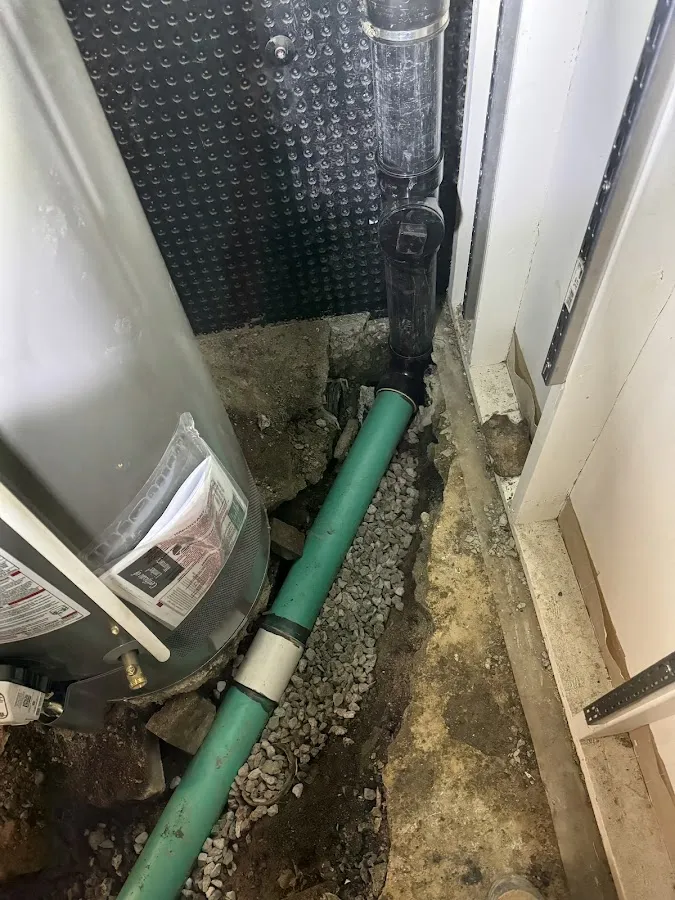
Basement flooding cleanup is the emergency removal of water, structural drying, contamination mitigation, and restoration of flooded basement spaces to safe, habitable conditions. The process includes 4 primary components: water extraction, structural drying, decontamination, and restoration. Toronto homeowners facing flooded basements require immediate professional response to prevent mold colonization, structural damage, and health hazards.
Emergency cleanup services operate 24/7 to address flooding from heavy rainfall, sewer backup, spring thaw, and foundation drainage failures. Professional basement flooding cleanup in Toronto combines rapid water extraction using industrial pumps, controlled structural drying with dehumidifiers and air movers, antimicrobial treatment for contamination, and complete restoration to pre-flood conditions.
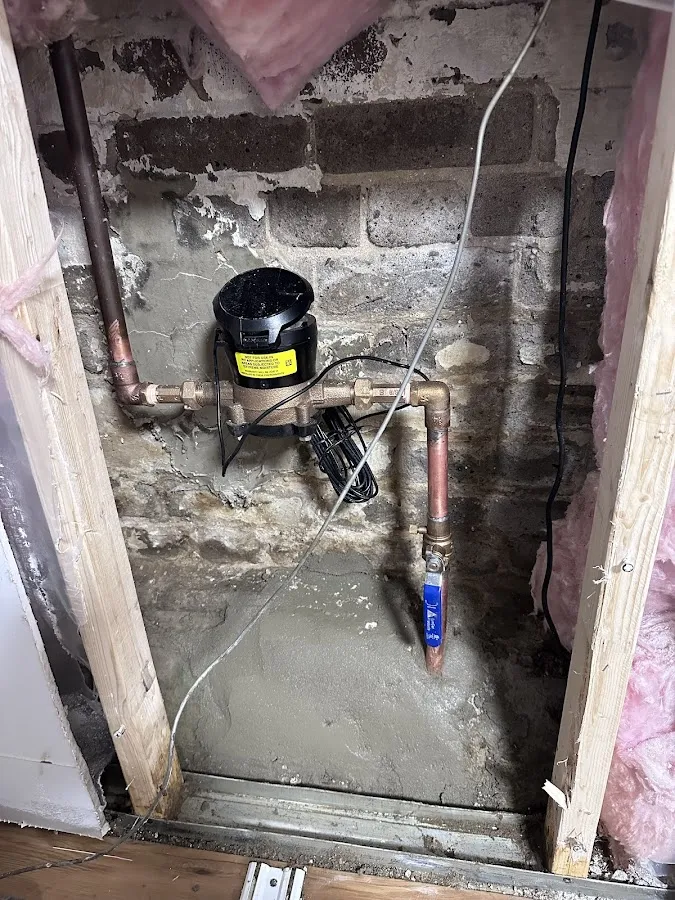
What Types of Water Affect Basement Flooding Severity?
The 3 water contamination categories determine basement flooding cleanup complexity and safety requirements. Category 1 clean water originates from supply lines, rainwater, or melting snow and poses minimal contamination risk. Category 2 gray water contains moderate contamination from washing machines, dishwashers, or toilet bowls without feces and requires enhanced safety protocols.
Category 3 black water involves sewage, floodwater with soil contamination, or water that has been stagnant for 48+ hours and demands full hazmat procedures... according to the ANSI/IICRC S500 Standard published by the Institute of Inspection, Cleaning and Restoration Certification. Professional cleanup teams assess water category upon arrival to determine appropriate equipment, safety gear, and decontamination protocols.
Toronto basement flooding frequently involves Category 3 water during sewer backup events, requiring specialized restoration expertise.
What Causes Basement Flooding in Toronto?
Basement flooding in Toronto results from 5 primary factors unique to the city's geography, aging infrastructure, and extreme weather patterns.
The most common flooding trigger. Toronto experienced three 100-year storms within a 10-year period, with the July 2024 storm causing $940 million in estimated losses.
Overwhelms drainage systems when ground frost prevents water absorption.
Municipal systems mix sanitary sewage with stormwater, causing sewage to enter basements through floor drains during heavy rain events.
Weeping tiles become clogged, sump pumps malfunction, or foundation waterproofing deteriorates.
Water from the Don River valley and Humber River valley directs toward low-lying properties during extreme weather.
What Should You Do When Your Basement Floods?
Toronto homeowners facing basement flooding take 6 immediate safety and mitigation steps before professional cleanup begins.
Shut Off Electrical Power
Shut off electrical power at the circuit breaker to eliminate electrocution risk from water contact with outlets, appliances, or wiring.
Stop the Water Source
Turn off supply lines, close windows, or activate sump pumps when possible.
Document All Damage
Photograph and video all damage from multiple angles for insurance claim documentation before moving or removing items.
Contact Emergency Cleanup Services
Call 24/7 emergency cleanup services for immediate response to minimize damage progression.
Remove Salvageable Items
Relocate furniture, electronics, and personal belongings to dry areas above flood level.
Avoid Standing Water
Never enter standing water deeper than ankle level without confirming electrical power disconnection.
How Does Professional Basement Flooding Cleanup Work?
Professional basement flooding cleanup in Toronto follows a 5-phase IICRC-certified process from emergency response through final restoration.
Emergency Response and Assessment
Begins within 60-90 minutes of service calls, evaluating water category, damage extent, safety hazards, and moisture readings using thermal imaging cameras and moisture meters.
Water Extraction
Deploys truck-mounted extractors removing 99% of standing water within 2-4 hours, with industrial submersible pumps handling deep flooding.
Structural Drying
Positions low-grain refrigerant dehumidifiers and high-velocity air movers to reduce relative humidity below 60% and material moisture content to industry standards over 3-5 days.
Cleaning and Sanitizing
Applies EPA-registered antimicrobial treatments to all affected surfaces, with HEPA air scrubbers removing airborne contaminants.
Restoration and Repairs
Replaces damaged drywall, flooring, baseboards, and insulation to restore basements to pre-flood conditions.
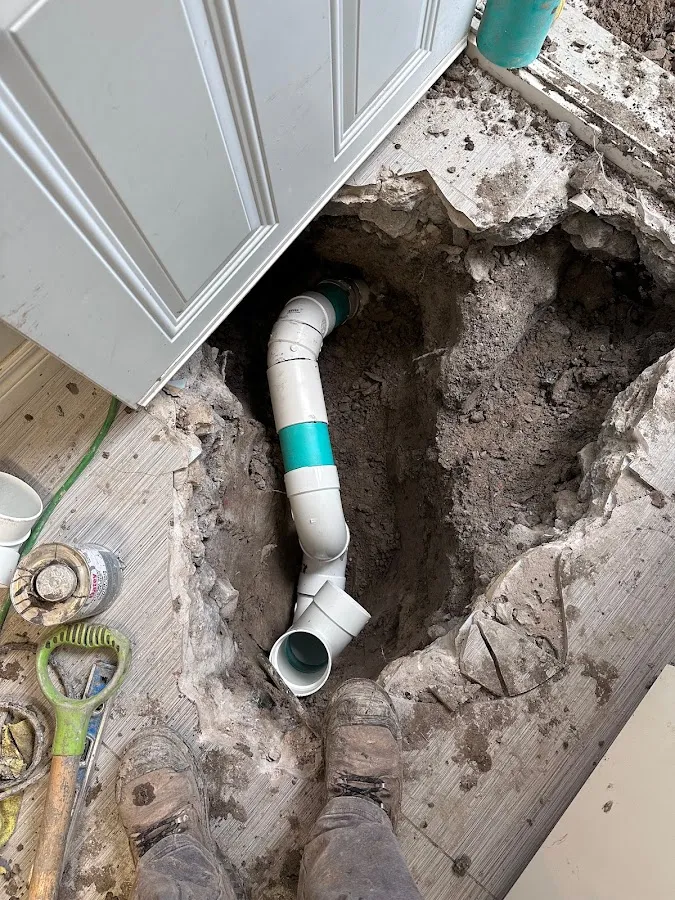
What Are the Health Risks of Basement Flooding?
Flooded basements create 4 primary health hazards requiring immediate professional mitigation to protect Toronto homeowners.
Begins within 24-48 hours when organic materials remain wet above 60% relative humidity, spreading through spores colonizing additional surfaces.
Sewage backup exposes occupants to E. coli, Salmonella, Hepatitis A, and other pathogens causing gastrointestinal illness, respiratory infections, and skin infections.
Circulate through HVAC systems and porous materials, triggering allergic reactions, asthma attacks, and respiratory distress in vulnerable populations.
Weakened floors, compromised staircases, damaged electrical systems, and unstable stored materials create physical injury risk during cleanup attempts.
What Areas in Toronto Are Most Prone to Basement Flooding?
Toronto's basement flooding concentrates in 7 high-risk areas where river valley topography, aging infrastructure, and overland flow patterns converge. Don River valley neighborhoods experience repeated flooding during heavy rain as water channels through the natural watershed. Humber River valley areas face similar topographic flooding from river overflow and tributary drainage.
Low-lying properties near the Don Valley Parkway receive runoff from surrounding elevated terrain. Older Toronto neighborhoods built before 1970 utilize combined sewer systems mixing stormwater with sanitary sewage, causing backup during storm events.
Areas with naturally high water tables including former wetlands and lake-adjacent properties flood when groundwater rises during extended precipitation. Rapid development zones where new construction increased impermeable surfaces without corresponding drainage infrastructure upgrades experience overland flow flooding. Neighborhoods with basement apartments below grade face elevated risk from both groundwater infiltration and overland flow entry through window wells and stairwells.
The City of Toronto maintains flooding risk maps identifying properties with historical flood claims and vulnerable infrastructure. Properties in flood-prone zones benefit from preventative infrastructure including backwater valves, sump pump systems, and foundation waterproofing.
Basement flooding vulnerability extends beyond Toronto's boundaries into surrounding municipalities with similar infrastructure challenges. Oakville homeowners dealing with foundation drainage failures and sewer surcharge events can access basement flooding cleanup in Oakville with the same certified technicians and industrial extraction equipment.
How Much Does Basement Flooding Cleanup Cost in Toronto?
Basement flooding cleanup in Toronto costs $3,500-$12,000 depending on water volume, contamination category, and structural damage severity.
| Cleanup Scope | Water Category | Typical Cost Range |
|---|---|---|
| Minor (< 500 sq ft, clean water) | Category 1 | $3,500-$5,500 |
| Moderate (500-1000 sq ft, gray water) | Category 2 | $5,500-$8,500 |
| Severe (> 1000 sq ft, sewage) | Category 3 | $8,500-$12,000+ |
Cleanup costs reflect labor, equipment, materials, disposal, and restoration expenses. Category 3 black water cleanup requires extensive decontamination procedures, protective equipment, and specialized disposal increasing costs by 40-60% compared to clean water extraction. Basement size directly impacts equipment quantity, drying time, and labor hours.
After-hours emergency response carries 10-20% premiums for immediate service availability. Structural repairs including drywall replacement, flooring installation, and electrical work add $2,000-$8,000+ to base cleanup costs.
What Factors Affect Basement Flooding Cleanup Costs?
The 6 primary factors determine basement flooding cleanup costs in Toronto. Water contamination category creates the largest cost variance, with Category 3 sewage requiring hazmat protocols costing 50% more than Category 1 clean water extraction. Total water volume and affected square footage determine equipment quantity, power requirements, and labor time.
Structural material types influence drying complexity, with porous materials like carpet and drywall requiring removal while concrete and tile allow drying in place. Basement accessibility impacts equipment positioning, with finished basements offering easier equipment placement than storage basements with stored items.
After-hours emergency response commands premium pricing for immediate availability outside business hours. Restoration scope ranges from cosmetic repairs replacing baseboards and paint to structural work rebuilding walls, floors, and mechanical systems.
Does Insurance Cover Basement Flooding in Ontario?
No, standard Ontario homeowner insurance does not cover basement flooding from sewer backup or overland water unless separate endorsements for these perils were purchased. Standard homeowner policies exclude water damage originating from below-grade infiltration, sewer system backup, or surface water entering basements. Sewer backup endorsement provides coverage when municipal sanitary sewers or septic systems overflow into properties, typically offering $10,000-$25,000 coverage limits for cleanup and restoration. Overland water coverage protects against flooding from surface water, rivers, streams, and storm surge, with coverage limits typically matching dwelling insurance amounts.
Groundwater seepage through foundation cracks, window wells, or floor penetrations remains excluded from most policies even with additional endorsements. Policy review with insurance agents identifies coverage gaps before flooding occurs. Proactive endorsement purchases cost $50-$150 annually and prevent $5,000-$15,000 out-of-pocket cleanup expenses after flooding events.
Insurance claim documentation requires photographs before cleanup begins, professional assessment reports, moisture readings, detailed restoration invoices, and proof of coverage endorsements. Professional restoration companies assist with claim documentation, direct billing arrangements, and adjuster communication. Toronto residents report basement flooding to 311 municipal services to document infrastructure issues supporting insurance claims when municipal sewer backup causes flooding.
What Documentation Do You Need for Insurance Claims?
The 5 essential documentation types support successful basement flooding insurance claims. Photographs and video of all damage captured before cleanup begins establish pre-restoration conditions for adjusters. Professional assessment reports including thermal imaging, moisture meter readings, and water category classification provide technical documentation.
Itemized cleanup and restoration invoices with equipment rental costs, labor hours, material expenses, and disposal fees justify claim amounts. Proof of policy endorsements confirms sewer backup coverage or overland water protection was active when flooding occurred.
Municipal sewer backup reports obtained through 311 calls verify city infrastructure caused flooding when applicable.
How Can You Prevent Basement Flooding in Toronto?
Toronto homeowners prevent basement flooding through 7 proactive infrastructure improvements and maintenance practices targeting the city's specific risk factors.
Prevents municipal sewer backup from entering properties during storm events, with properly maintained valves stopping 95% of sewer-caused flooding.
Removes groundwater from foundation drainage systems before water levels rise to basement floor height.
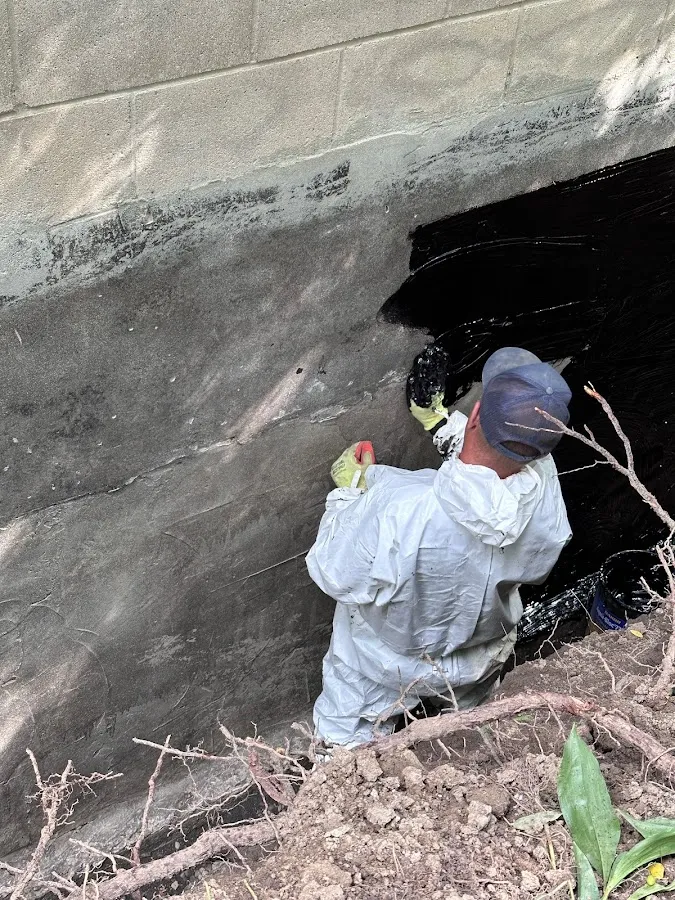
Eliminates water infiltration pathways through concrete walls and floor joints using hydraulic cement and membrane barriers.
Ensures perimeter drainage systems channel groundwater away from foundations rather than allowing hydrostatic pressure buildup.
Directs roof water at least 6 feet from foundations, reducing soil saturation adjacent to basement walls as required by Toronto municipal bylaw.
Creates 6-inch drops over 10 feet directing surface water away from structures.
Professional video camera services identify tree root infiltration, pipe deterioration, and blockages before backup events occur.
What Toronto City Programs Help with Basement Flooding?
The City of Toronto operates 3 financial assistance programs providing up to $3,400 in subsidies for basement flooding protection infrastructure. The Basement Flooding Protection Subsidy Program offers rebates up to $3,400 per property for installing eligible flood prevention improvements. Subsidy amounts include $1,250 for backwater valve installation, $1,250 for sump pump and battery backup system installation, $400 for weeping tile disconnection from municipal sewers, and $500 for foundation drainage system repairs.
Eligible improvements must be completed by licensed contractors meeting Toronto Building Code requirements. Application submission occurs before installation begins, with city approval required prior to work commencement. Homeowners submit online applications through the city website including contractor quotes, property details, and proof of ownership.
Processing timelines average 4-6 weeks from application to approval. Post-installation inspection by Toronto Water Services verifies work meets program standards before rebate payment.
City investigation services respond to basement flooding reports through 311 calls. Investigators assess municipal infrastructure conditions, sewer system capacity, and potential city responsibility for flooding events. Preventative maintenance programs include catch basin cleaning, sewer line flushing, and infrastructure upgrades in high-risk areas. Program limitations restrict subsidies to one-time use per property, with eligibility requiring no previous subsidy claims and confirmed flooding risk history or location in designated flood-prone areas.
How Do You Apply for Toronto's Basement Flooding Subsidy?
Toronto homeowners apply for basement flooding subsidies by submitting online applications with contractor quotes, property details, and proof of eligibility before installation begins. Pre-approval requirements mandate applications submit before any installation work commences, with post-installation applications deemed ineligible. Required documentation includes property ownership proof, detailed contractor quotes specifying equipment models and installation methods, property assessment showing flood risk, and signed homeowner declaration.
Processing timelines average 4-6 weeks with email notification upon approval or denial. Post-installation inspection by city staff verifies installed systems match approved plans before rebate payments process through mail or direct deposit within 6-8 weeks of inspection approval.
What Are the Risks of Delaying Basement Flood Cleanup?
Delaying professional basement flood cleanup for more than 48 hours creates 5 compounding hazards that exponentially increase health risks and restoration costs.
Mold spreads throughout porous materials including drywall, insulation, carpet, and wood framing when moisture remains elevated beyond 48 hours.
Prolonged water exposure causes wood warping, drywall deterioration, floor delamination, and foundation spalling from freeze-thaw cycles.
Category 2 and Category 3 water creates increasing pathogen concentrations over time, elevating disease transmission risk.
Electronics, documents, furniture, and personal belongings become total losses when exposed to high humidity beyond tolerance thresholds.
Adjusters question claim validity when policyholders delay professional mitigation, as policy terms require adequate damage mitigation efforts.
Why Choose The Sewer and Drain for Toronto Basement Flooding Cleanup?
Toronto homeowners trust The Sewer and Drain for 24/7 emergency basement flooding cleanup combining rapid response, certified restoration expertise, and complete knowledge of Toronto's unique flooding challenges. The Sewer and Drain maintains 24-hour emergency availability 365 days per year, with technicians responding within 60-90 minutes of service calls to minimize damage progression during critical first hours after flooding. IICRC-certified restoration technicians apply industry-standard procedures for water extraction, structural drying, contamination mitigation, and final restoration meeting professional certification requirements.
Toronto-specific expertise includes comprehensive knowledge of Don River valley flooding patterns, Humber River valley topography, combined sewer system vulnerabilities, and City of Toronto subsidy programs assisting flood prevention infrastructure installation. Complete service scope encompasses emergency water extraction, industrial structural drying, antimicrobial decontamination, content restoration, and final repairs from initial emergency call through project completion. Insurance claim documentation assistance provides detailed assessment reports, moisture readings, photographic evidence, and itemized invoices supporting successful claim approval and direct billing arrangements with insurance companies.
Licensed, insured professional service meets Ontario building code requirements and Toronto municipal standards. The Sewer and Drain serves Toronto basement flooding cleanup needs with immediate emergency response, certified expertise, and comprehensive restoration capabilities protecting homes and families from water damage consequences. Contact The Sewer and Drain's 24/7 emergency line for immediate basement flooding cleanup response in Toronto and surrounding GTA areas.
Service Area: Toronto, ON
We proudly serve Toronto, ON and surrounding areas
Customer Reviews
"Our hot water tank burst on a Sunday morning and water was pooling all over the basement floor. Called and someone picked up right away. The crew showed up about 40 minutes later with industrial fans and a big pump. They had the water out in a couple hours and set up drying equipment. Came back twice to check moisture levels. Really solid work from start to finish."
"The team did an excellent job coming out within days of the rain storm. The job involved extensive waterproofing including trenching around the foundation, patching holes, applying a water barrier, replacing weeping tile, and installing sump pumps. My basement has never been drier. Fantastic customer service!"
"Definitely the company to call when you need expert help in such short notice. Boris came within an hour and fixed our sump pump problem in minutes. He also explained the issue and how he was resolving it. This was exceptional service!"
Also Available In
Ready to Get Started?
Get professional basement flooding cleanup services in Toronto, ON today. Call now for immediate assistance or get a free quote.
Professional Service
Trusted experts in your area
Quick Response
Fast and reliable service
Fully Licensed
Certified and insured professionals