Professional Water Damage Restoration Services in Mississauga
Water wreaking havoc? Our IICRC-certified crew arrives in under 45 minutes with industrial extractors — insurance handled for you.
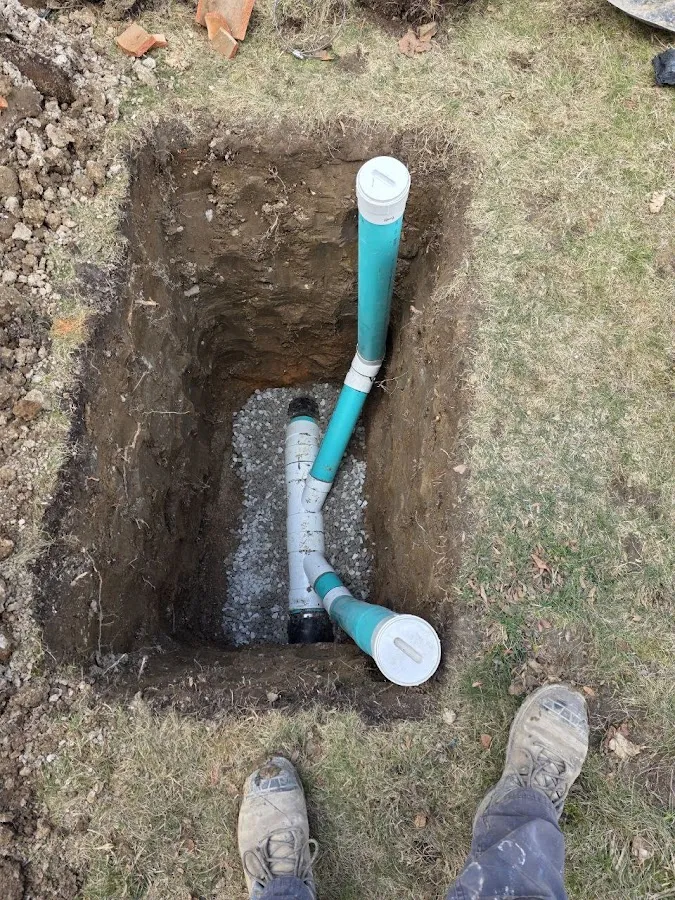
What is Water Damage Restoration?
Water damage restoration is the comprehensive process of returning water-damaged properties to their pre-loss condition through emergency response, water extraction, structural drying, sanitization, and repairs. The restoration process addresses visible surface damage and hidden moisture penetrating building materials. Professional restoration protocols follow industry standards to prevent secondary damage from mold growth and structural deterioration.
The Sewer and Drain provides IICRC-certified water damage restoration services with 24/7 emergency response. The process takes 3-10 days depending on damage severity, water category, and structural materials affected... according to the 2021 ANSI/IICRC S500 Standard for Professional Water Damage Restoration published by the Institute of Inspection, Cleaning and Restoration Certification.
Can Water Damage Be Repaired?
Yes, water damage can be fully repaired through professional restoration protocols addressing both visible damage and hidden moisture, returning properties to pre-loss condition when proper procedures are followed within critical timeframes. Successful repair requires immediate response, complete moisture extraction, structural drying, and antimicrobial treatment.
Category 1 clean water damage shows highest repair success when addressed within 24-48 hours. Category 2 and 3 water damage require specialized sanitization protocols but remain fully repairable with professional intervention. Neglected water damage leads to permanent structural issues including wood rot, drywall disintegration, and foundation weakening that escalate repair costs 2-3 times.
How Does Water Damage Restoration Work?
Water damage restoration follows a 5-phase protocol: emergency contact and inspection, water removal, drying and dehumidification, cleaning and sanitization, and final restoration.
Phase 1 begins with 24/7 emergency response and comprehensive damage assessment within 45 minutes of contact. Phase 2 deploys truck-mounted water extraction equipment to remove standing water from affected areas. Phase 3 utilizes industrial dehumidifiers and high-velocity air movers to dry structural materials and building cavities. Thermal imaging technology monitors moisture levels in walls, subfloors, and insulation throughout the drying process.
Phase 4 applies antimicrobial treatments to sanitized surfaces and eliminates odors from water intrusion. Phase 5 completes structural repairs, reconstruction, and final restoration to match pre-loss property condition.
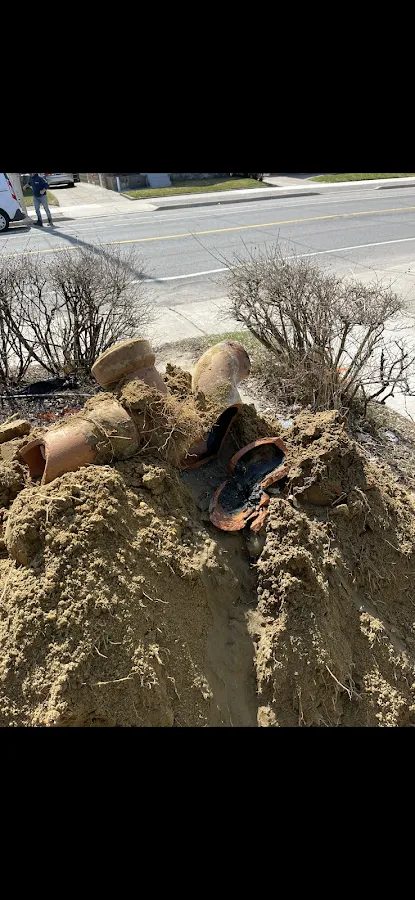
What Are the Types of Water Damage?
The 3 primary water damage categories include clean water (Category 1), gray water (Category 2), and black water (Category 3). Category 1 clean water originates from burst pipes, supply line leaks, and appliance water lines. Clean water poses the lowest health risk but escalates to Category 2 within 48 hours when left untreated.
Originates from burst pipes, supply line leaks, and appliance water lines with the lowest health risk, but escalates to Category 2 within 48 hours when untreated.
Contains contaminants from washing machine overflows, toilet tanks, and dishwasher discharge, requiring sanitization protocols to prevent bacterial growth.
Includes sewage backups, river flooding, and groundwater intrusion, posing serious health hazards requiring specialized safety equipment and comprehensive sanitization.
When Should You Call for Water Damage Restoration?
Property owners require immediate professional response when water intrusion exceeds 1 gallon, affects structural materials, or involves contaminated sources. Burst pipes, flooding events, sewage backups, and appliance failures demand 24/7 emergency restoration services.
The 24-48 hour window represents the critical timeframe for preventing mold colonization in water-damaged properties... according to a 2014 Environmental Protection Agency report on mold remediation stating that wet or damp materials dried within 24-48 hours after a leak prevent mold growth in most cases. The Sewer and Drain maintains 24/7 availability with 45-minute emergency response to Toronto properties. Immediate professional contact prevents Category 1 clean water from escalating to Category 2 contaminated water requiring advanced sanitization protocols.
What Should I Do Immediately After Water Damage?
Immediately after discovering water damage, property owners should shut off the water source, contact emergency restoration services, remove portable items from affected areas, and document damage for insurance claims. Step 1 involves stopping the water source when safe by turning off the main water valve or appliance shutoff valves.
Step 2 requires calling 24/7 restoration services for professional water extraction and drying. The Sewer and Drain provides 45-minute emergency response to Toronto water damage incidents. Step 3 prioritizes removing movable valuables, electronics, and important documents from water intrusion paths.
Step 4 includes photographing and videoing all damage before cleanup begins for comprehensive insurance documentation. Household vacuums must not be used on standing water due to electrical hazards and equipment limitations.
How Quickly Does Mold Grow After Water Damage?
Mold growth begins within 24-48 hours after water exposure, making immediate professional response critical for preventing extensive mold remediation. Visible mold colonies appear within 72+ hours when moisture remains in building materials. Humidity levels above 60%, temperatures between 60-80°F, and organic materials including drywall and wood accelerate mold colonization rates. Rapid structural drying through industrial dehumidification and air movement prevents mold spore germination in water-damaged building cavities.
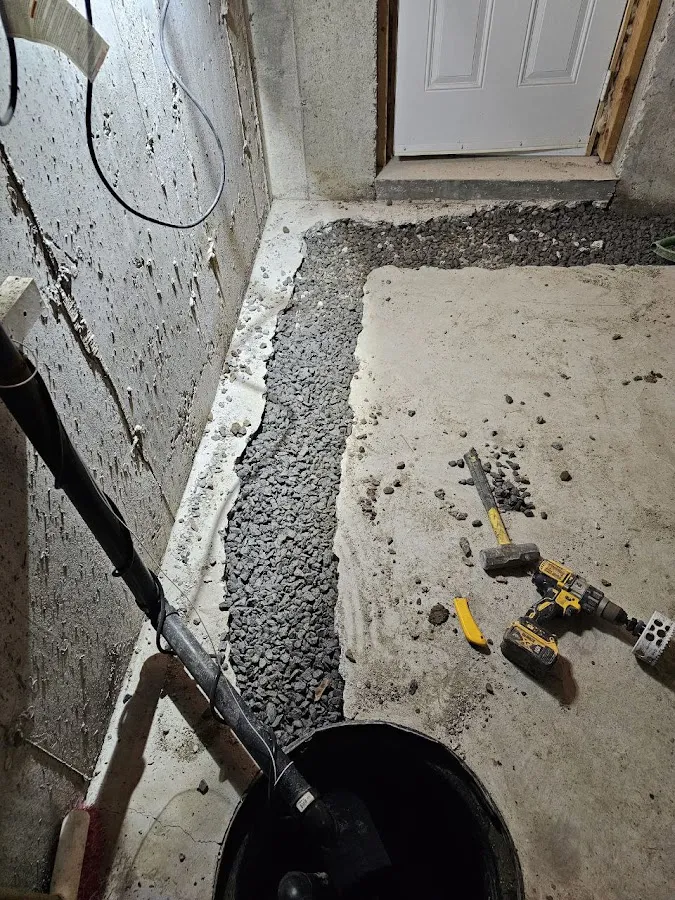
What is the Difference Between Mitigation, Restoration, and Repair?
Water damage mitigation, restoration, and repair represent 3 distinct service phases: mitigation stabilizes emergencies and prevents further damage, restoration encompasses the complete recovery process, and repair addresses only the final reconstruction phase.
Emergency water extraction, temporary protection measures, and immediate stabilization during the first 0-48 hours after water intrusion to prevent secondary damage.
The full recovery process from emergency response through final completion including mitigation, structural drying, sanitization, and reconstruction.
Final reconstruction phase activities including painting, flooring replacement, and cosmetic restoration focused exclusively on visible rebuilding.
What Does Professional Water Damage Restoration Include?
Professional water damage restoration services include 7 essential components: emergency response, damage assessment, water extraction, structural drying, content restoration, sanitization, and final repairs.
24/7 emergency response services deploy within 45 minutes to contain water damage sites and prevent contamination spread. Comprehensive damage inspection documents affected areas, moisture penetration depth, and structural material conditions for insurance claim support. The Sewer and Drain provides online estimates for Toronto water damage restoration projects.
Industrial water extraction utilizes truck-mounted extractors removing 10 times more water than consumer shop vacuums. Structural drying employs commercial dehumidifiers and high-velocity air movers to eliminate moisture from building materials and concealed cavities. Thermal imaging technology monitors moisture levels in walls, subflooring, and insulation throughout the drying process.
Content pack-out services remove, clean, and store affected belongings in climate-controlled facilities during restoration work. Antimicrobial treatment applies EPA-registered disinfectants to affected surfaces and eliminates odors from water intrusion. Final reconstruction restores properties to pre-loss condition through drywall replacement, flooring installation, and finish carpentry.
North York residents frequently experience burst pipe emergencies during freeze-thaw cycles that demand these comprehensive protocols. Homeowners in the area rely on water damage restoration in North York for rapid deployment of industrial extraction and drying equipment.
What Equipment is Used in Water Damage Restoration?
Professional water damage restoration utilizes industrial-grade extraction units, commercial dehumidifiers, high-velocity air movers, and moisture detection technology to ensure complete structural drying. Truck-mounted water extractors generate 10 times more suction power than consumer shop vacuums for complete standing water removal.
Low-grain refrigerant dehumidifiers extract moisture from air at rates exceeding 150 pints per day for rapid structural drying. Axial and centrifugal air movers create high-velocity airflow patterns that evaporate moisture from building materials and concealed cavities.
Thermal imaging cameras detect hidden moisture in wall cavities, beneath flooring, and within insulation. Penetrating moisture meters measure water content in drywall, wood framing, and concrete to verify complete structural drying before reconstruction begins. Consumer-grade equipment lacks the extraction power, airflow capacity, and moisture monitoring technology required for professional structural drying standards.
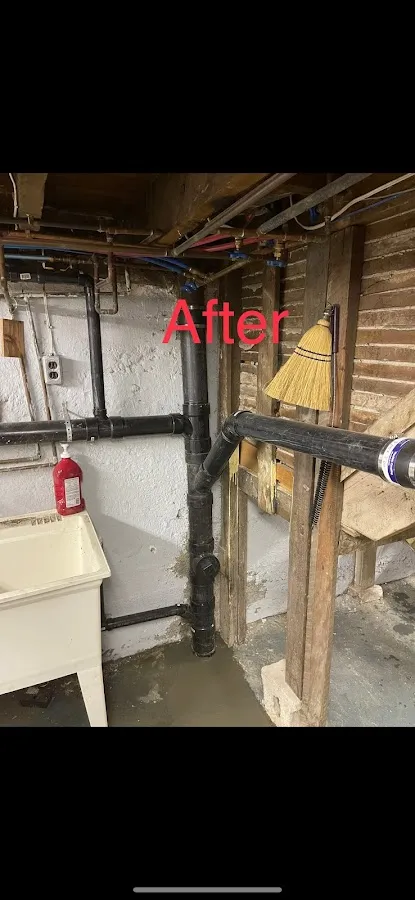
What Are the Risks of Delaying Water Damage Restoration?
Delaying water damage restoration beyond 24-48 hours creates 4 critical risks: mold colonization, structural deterioration, increased restoration costs, and potential insurance claim denial. Mold growth begins within 24-48 hours of water exposure and spreads rapidly throughout building materials and HVAC systems.
Mold growth begins within 24-48 hours of water exposure and spreads rapidly throughout building materials and HVAC systems.
Wood framing absorbs moisture causing rot, drywall disintegrates from prolonged saturation, and foundation materials weaken from water intrusion.
Small leaks develop into major remediation projects requiring 2-3 times the investment of immediate response.
Delayed damage reporting violates policy requirements for timely claim notification and mitigation efforts.
How Much Does Water Damage Restoration Cost?
Water damage restoration costs range from $1,200 to $8,500 depending on damage category, affected square footage, and structural impact. Pricing includes water extraction, structural drying, sanitization protocols, and basic reconstruction materials. The Sewer and Drain provides online estimates for accurate Toronto water damage restoration pricing.
| Category | Small (100-400 sq ft) | Medium (400-1000 sq ft) | Large (1000+ sq ft) |
|---|---|---|---|
| Category 1 Clean Water | $1,200-$2,500 | $2,500-$4,500 | $4,500-$6,500 |
| Category 2 Gray Water | $1,800-$3,500 | $3,500-$5,500 | $5,500-$8,000 |
| Category 3 Black Water | $2,500-$4,500 | $4,500-$7,000 | $7,000-$12,000+ |
Category 3 black water restoration costs reflect specialized disposal requirements, extensive sanitization protocols, and personal protective equipment for technician safety. Projects exceeding 1000 square feet require additional drying equipment deployment and extended monitoring timeframes.
What Factors Affect Water Damage Restoration Pricing?
Five primary factors determine water damage restoration pricing: contamination level, affected area size, water source location, material saturation depth, and time elapsed before response. Contamination level separates Category 1 clean water from Category 2 gray water and Category 3 black water requiring specialized sanitization.
Affected area square footage determines equipment deployment, drying time requirements, and labor hour allocations. Water source location impacts accessibility with basement flooding requiring different extraction approaches than upper floor intrusion.
Material saturation depth varies between surface-level moisture on tile floors versus deep penetration in hardwood flooring and carpet padding. Response time distinguishes immediate professional intervention from 48+ hour delays requiring mold remediation protocols. Additional cost factors include existing mold presence, structural damage requiring reconstruction, and content restoration needs for damaged belongings.
Does Insurance Cover Water Damage Restoration?
Yes, homeowner's insurance typically covers water damage restoration from sudden and accidental events like burst pipes and appliance malfunctions, but excludes gradual damage and flood events requiring separate flood insurance. Covered scenarios include sudden pipe bursts, washing machine supply line failures, water heater ruptures, and roof leaks from storm damage.
Excluded situations involve gradual pipe leaks, deferred maintenance issues, and groundwater flooding from natural disasters. Separate flood insurance policies provide coverage for rising water from rivers, lakes, and storm surge in flood-prone areas.
The Sewer and Drain works directly with insurance companies to streamline Toronto water damage restoration claims. Professional documentation support includes damage assessment reports, moisture readings, and photographic evidence for comprehensive claim submissions.
Why Choose IICRC-Certified Water Damage Restoration?
IICRC-certified water damage restoration ensures adherence to industry-standard protocols, proper equipment usage, and scientifically-proven drying techniques that prevent secondary damage and mold growth. The Institute of Inspection, Cleaning and Restoration Certification establishes professional standards for water damage restoration technician training and certification.
IICRC S500 Standard protocols define water damage categories, structural drying procedures, and antimicrobial treatment requirements. Certified technician training covers moisture science, psychrometry, structural drying calculations, and safety procedures for contaminated water handling.
IICRC certification prevents moisture retention in building assemblies that creates secondary mold damage requiring extensive remediation. The Sewer and Drain maintains IICRC certification with top-rated technicians following S500 Standard protocols for Toronto water damage restoration projects. Uncertified restoration services create liability issues from incomplete structural drying, improper contamination handling, and mold growth from residual moisture.
Trusted Water Damage Restoration Services
Property owners trust The Sewer and Drain for 24/7 emergency water damage restoration services that combine IICRC-certified expertise, rapid response, and comprehensive property recovery. The complete restoration process encompasses emergency response, industrial water extraction, structural drying, antimicrobial sanitization, and final reconstruction.
IICRC-certified technicians follow S500 Standard protocols ensuring proper moisture removal and mold prevention. The Sewer and Drain provides 45-minute emergency response 24/7 throughout the Greater Toronto Area including Scarborough, Mississauga, and Markham.
Direct insurance billing and claims documentation support streamlines the restoration process for Toronto property owners. Industrial-grade extraction equipment, commercial dehumidifiers, and thermal imaging moisture detection ensure complete structural drying. End-to-end water damage restoration services cover every phase from emergency stabilization through final reconstruction with online estimate availability and top-rated service quality. Contact The Sewer and Drain immediately for professional water damage restoration services.
Service Area: Mississauga, Ontario
We proudly serve Mississauga, Ontario and surrounding areas
Customer Reviews
"The team did an excellent job coming out within days of the rain storm. The job involved extensive waterproofing including trenching around the foundation, patching holes, applying a water barrier, replacing weeping tile, and installing sump pumps. My basement has never been drier. Fantastic customer service!"
"Top notch plumbing service. Boris responded quickly to an issue I was having. The job was completed in a timely manner. Highly recommend for all your plumbing needs."
"Definitely the company to call when you need expert help in such short notice. Boris came within an hour and fixed our sump pump problem in minutes. He also explained the issue and how he was resolving it. This was exceptional service!"
Professional Services
Service Areas
Downtown Toronto
Midtown Toronto
North York
Scarborough
Ready to Get Started?
Get professional water damage restoration services in Mississauga, Ontario today. Call now for immediate assistance or get a free quote.
Professional Service
Trusted experts in your area
Quick Response
Fast and reliable service
Fully Licensed
Certified and insured professionals